
On rooting
About finding home, when you have never really had it.

I have been trying to understand what it means to root when belonging is not something you have ever really experienced.
There are people for whom place is uncomplicated. It attaches early. It stays consistent. You don’t have to think about it too much.
Rudmer grew up in the same village his entire childhood. When he talks about it, there is no hesitation. It is simply where he is from. Where he returns to. He doesn’t have to explain it.
That has not been my experience.
I grew up with the sense that where you are can change, sometimes quickly, and not always by choice. When my parents, my brother and I fled to the Netherlands, I was young, but I understood something immediately: I needed to adapt.
I remember my first days at school. Sitting at a desk, not speaking unless I was spoken to. Listening closely, trying to catch meaning from tone before I understood the words. Watching the other children to see when they laughed, when they stayed quiet, how they moved without thinking. I followed that more than anything that was said.
I don’t remember asking whether I would feel at home. That question didn’t feel available to me.
What mattered was learning how to fit in.
After a while, it stops feeling like a strategy. It just becomes how you are.
There is a distance in that way of living. You are present, but not entirely. Something stays held back. I am not sure I ever learned what it would mean to be fully myself, or if I would recognize it if I saw it.
This is why the idea of rooting has begun to feel less romantic to me, and more like a problem.
Because what does it mean to root in a place that does not fully recognize you? Or that recognizes you incorrectly?
I am building a home now, an atelier, in a landscape that is very quiet. Flat fields, long stretches of sky, a stillness that feels like it’s not asking me to fit in. The stillness of the forest allows me to think and just be, which was quite confronting to be honest.
Sometimes I walk through it and feel a kind of clarity. Other times, I am aware of how visible I am. As if there is nowhere to disappear to. Nobody I can adjust myself to.
There is a path I walk often, where the ground is uneven and the wind moves without interruption. Nothing breaks it. Not buildings, not trees close enough to soften it. The first few times, I found it uncomfortable. Now I notice when it is not there.
I say I am building a home, but I am still learning what that means. I prefer to think of it as an experiment. An experiment allows for mistakes. It allows for uncertainty. It does not require you to get it right the first time.
What I understand more clearly is the act itself. Staying. Returning to the same space. Letting it gather traces of you. The first experiment was to get rid of all of my belongings (it wasn’t much to begin with) and start again. Objects that were chosen and curated by me. It felt powerful to surround myself with very little but with carefully curated items. It was not much, but it was mine.
And yet, something shifts in that repetition. Without constant movement, there is less to hide behind. The work changes. It has to come from somewhere else. Not from newness, but from attention.
I begin to notice things I would have missed before. The same view, slightly altered. The same thoughts, arriving differently. Instead of moving and creating new memories, I now deepen the memories I already have.
Sometimes I think about how easily I used to leave. How natural it felt. As if nothing essential would be lost. I am less certain of that now.
When I wake up and see the same trees around me, the same little house in the forest. It doesn’t make me feel like I have to get away. It actually reminds me of staying, embracing the quiet and nurturing what is there.
It is possible that rooting has less to do with belonging than I once thought?And more to do with finding out who you are when you stop adjusting.
The place does not give you that answer. But it holds you still long enough that the question becomes harder to avoid.
It may have more to do with staying in the question of it. Allowing a place to remain slightly unresolved. Allowing your relationship to it to remain partial. I don’t need the forest to make me feel like home. I thank it for reminding me who I am and who I’m evolving to be.
I am still learning how to do this.
Some days it feels like a commitment. Other days it feels like a kind of refusal.
I stay anyway. The experimentation continues. Please let me know if any of this resonates and what your thoughts are on it…Or send it to someone who might need it right now.
What Gisele Has Been Loving
Objects, ideas, books, spaces, and moments that feel considered. Useful. True.
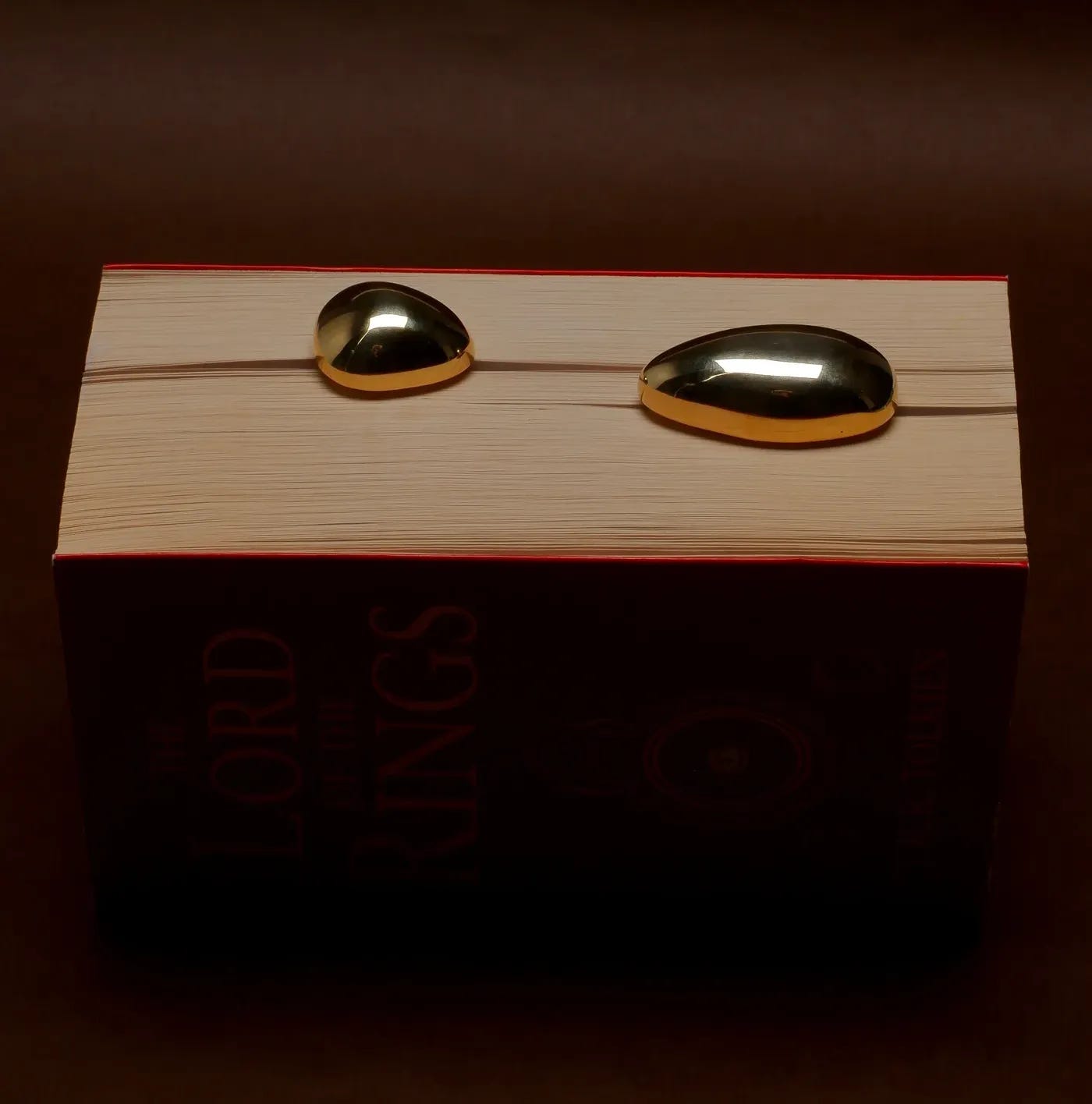

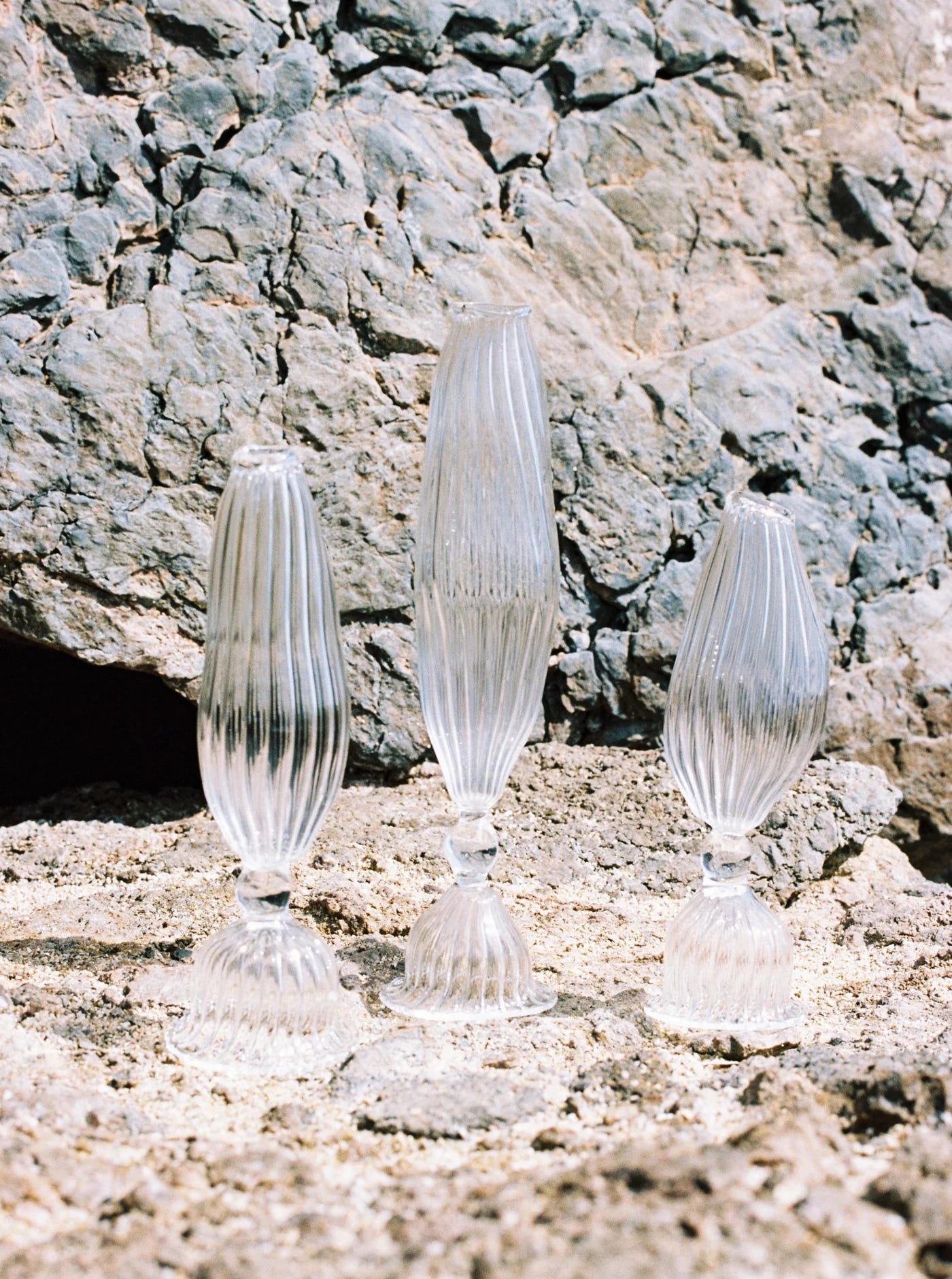
We’re glad you’re here. Let us know if there’s anything you’d like to read from us. Hope to talk to you next week.
Gisele and Rudmer
I still haven’t found my home, as in an actual structure or place. I’ve moved around a lot and “home” is something I think about often. The place I grew up — rural Louisiana — definitely didn’t feel like home. Since then I’ve lived in Atlanta, Los Angeles, and Seattle, with Seattle and L.A. coming closest to places that felt more like me. I love traveling and feel more at home in some of the places I’ve visited vs. where I’ve lived. Maybe for me my home is inside myself. I’ve come to know myself more since I turned 40 (16 years ago 🙂) and became a mother and an artist.
The line about surrounding yourself with carefully curated items resonated with me.
I have felt overwhelmed by the weight of so many items and possessions, and am beginning the process of getting rid of items, so my peace has room to roam.